


Business travel is essential for corporate growth, but tracking the resulting flights, hotels, meals, and vendor payments is often a logistical nightmare.
It is not just frustrating for the employee who must lug around paper receipts. Manual tracking creates massive blind spots, delayed reporting, and month-end chaos for the finance team.
This guide will cover exactly what needs to be tracked for IRS compliance, the risks of manual reporting, and the modern strategies to automate the entire process from swipe to ledger.
What Are Business Travel Expenses?
Business expenses on a trip include airline tickets, public transportation, rideshares, accommodations, food and drink, parking fees, bridge and road tolls, business phone calls and other communications expenses, and printing costs. In some countries, these expenses may be eligible for tax deductions.
Also Read:
Business Expenses: Your Complete Guide to Tax Deductions, Tips, and More
Contractors may also be eligible for business travel expense reimbursement or allowances. Examples of contractors include repair specialists, long-term agency partners, influencers or PR executives, resource persons, and many others.
In some agreements, employees are reimbursed for their business travel purchases by submitting expense claims. However, this practice is outdated and has been replaced with more advanced consolidation processes. Many companies may consolidate purchases with business travel vendors, paying the vendors directly.
What Exactly Needs to Be Tracked?
To stay compliant and maximize your company's tax write-offs, the IRS requires strict tracking of expenses incurred away from an employee's tax home (their regular place of work). You must accurately track:
- Transportation: Airfare, rideshares, rental cars, tolls, and mileage. You will need to decide whether to track actual costs or use the standard IRS mileage rate.
- Lodging: Hotel room rates and direct business-related fees.
- Meals: Tracking actual food and beverage costs (which are generally 50% deductible) versus using the federal per diem rate.
- Incidentals & communication: Tips for services, laundry/dry cleaning, and business Wi-Fi or phone calls.
- The crucial business purpose log: The IRS requires documentation of why the expense occurred, who was met, and the direct business benefit.
How To Track Business Travel Expenses More Effectively
Tracking business travel expenses is crucial for many reasons, including accurate fund allocation, simplifying tax processes, applying for tax deductions, and streamlining the company's bookkeeping.
The following are recommended tips on how to track these expenses more effectively to achieve more transparent and better-managed business operations:
1. Open A Digital Bank Account For Business Transactions
A business bank account, preferably online, helps pay for business expenses across the organization. Digital banking makes it easier to consolidate and track transactions from multiple vendors. In addition to the bank account, applying for a credit card for business trip expenses may be helpful.
2. Choose Your Accounting System
After setting up your business bank account, you can select the accounting system that best suits your business's needs.
You can choose between two systems: cash and accrual accounting. Accrual accounting involves recording revenue and expenses as they occur. Cash accounting only recognizes transactions upon the exchange of cash.
Also Read:
Accounting Automation: Everything You Need to Know
3. Utilize Fintech Apps And Software
Whatever accounting method you choose, you must ideally record your transactions using accounting or business software. Business software helps ensure that each input is accurate and the record is up-to-date.
You can search which type of software best fits your organization—some are designed for larger companies, while others are suited for small businesses. The best ones allow you to create expense categories, make comparisons, and simplify approvals.
Automated purchase requests help track pre-approved budgets. Software with direct deposit reimbursements ensures high employee satisfaction.
Several FinTech apps have features specifically designed for business travelers. These apps let users capture receipts by taking a simple photo, scanning them via mobile phone, or even texting them to your expense management app, categorizing their expenses, and integrating them with corporate credit cards for a seamless experience.
These apps categorize expenses in real-time, saving valuable employee work hours and reducing the risk of manual accounting errors.
4. Connect Your Business Bank Account To Accounting Software
After setting up your business bank account and choosing your accounting software, you can connect both. That way, you gain additional oversight and better protect your company's vital financial information. Both must preferably be compatible from the get-go.
After establishing the connection, you can set up automatic data imports to ensure you are aware of changes to the business account. This is a time-saver for bookkeeping.
Also Read:
What Is Bookkeeping? Why Is It Important?
5. Manage Your Receipts
You need to make copies of the business-related receipts on your trip to help track expenses during tax season. Such receipts are crucial in providing proof for tax write-offs and deductions. As mentioned, mobile apps already offer the capacity to create digital copies of receipts, reducing the need for physical storage and avoiding losses.
Choose apps with features that let you attach the receipts to your business invoices. Such capabilities facilitate automated expense reports to help with reimbursement.
Also Read:
The Best Receipt Scanner Apps For Your Business Expenses
{{conversational-ai="/cta-banners"}}
6. Hire A Bookkeeper
Even with numerous available digital tools, having an official bookkeeper helps you consolidate your business expenses and ensures you don’t miss anything. Bookkeepers can aid in thoroughly assessing your accounting. They may work as contractual hires or on a freelance basis.
Also Read:
How to Hire an Accountant for Your Company: A Step-by-Step Guide
7. Take Note of Tax-Deductible Expenses
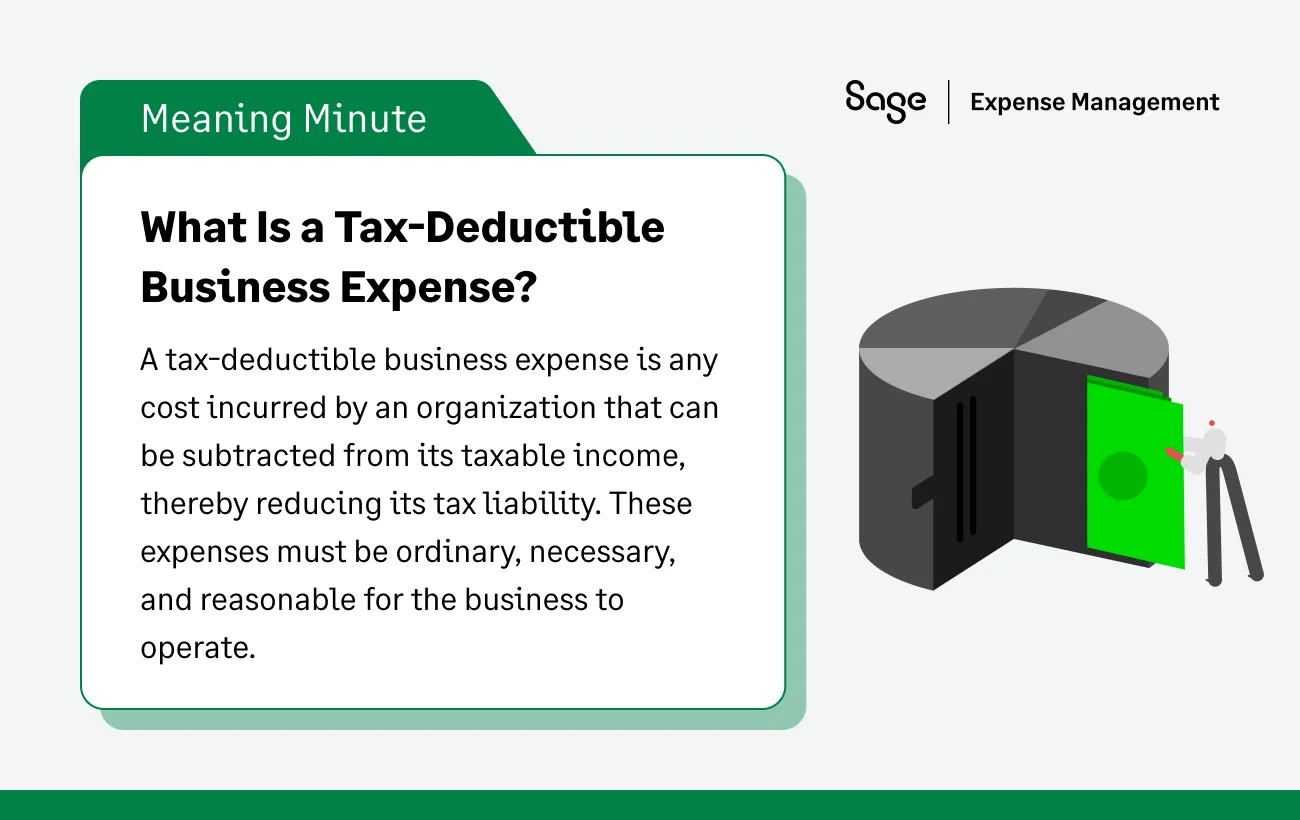
One of the primary reasons for detailed expense tracking on business trips is to facilitate taxes and maximize business revenue. Tax-deductible expenses may include rent or fees for borrowing machinery, advertising and promotional materials, vehicle gas costs, repairs, and other regular travel expenses,
The Compliance Risks of Manual Tracking
Finance teams cannot afford blind spots when it comes to IRS regulations. Manual tracking leaves companies vulnerable to three major compliance risks:
The lavish & extravagant trap
The IRS strictly forbids deducting lavish or extravagant expenses. If you rely on month-end manual reviews, out-of-policy spending (like a $500 bottle of wine at a client dinner) has already happened. You need a system to catch this before it hits the ledger.
The bleisure & documentation burden
When employees mix business trips with personal weekends, tracking exact deductions becomes messy. Furthermore, the IRS requires exact documentation of the "business purpose" for every meal and trip. Manual spreadsheet logs are rarely accurate enough to survive an audit.
The 1-Year Rule (Temporary vs. Indefinite)
Failing to track the exact duration of a temporary work assignment can result in massive tax penalties. According to the IRS, travel expenses for assignments lasting over one year are suddenly considered non-deductible.
Keep Track of Business Travel Expenses Effectively with Sage Expense Management
To eliminate these risks, modern finance teams are moving away from reactive reporting. Here is how you can elevate your tracking to enterprise standards using Sage Expense Management:
Instant Receipt Collection
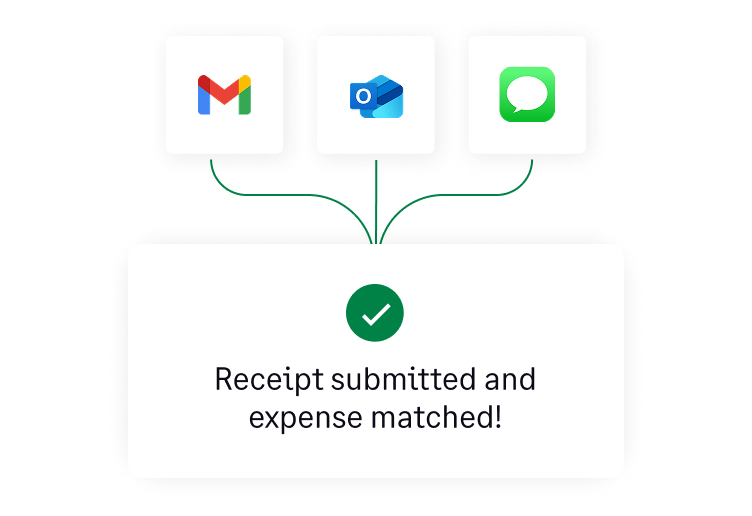
The IRS states that good records are essential. Instead of hoping employees do not lose paper receipts, Sage Expense Management makes capture effortless. Travelers can submit receipts via text message, email, or everyday apps. When a card is swiped, the employee gets a text, replies with a photo of the receipt, and it automatically matches the transaction.
Instant AI Spend Insights
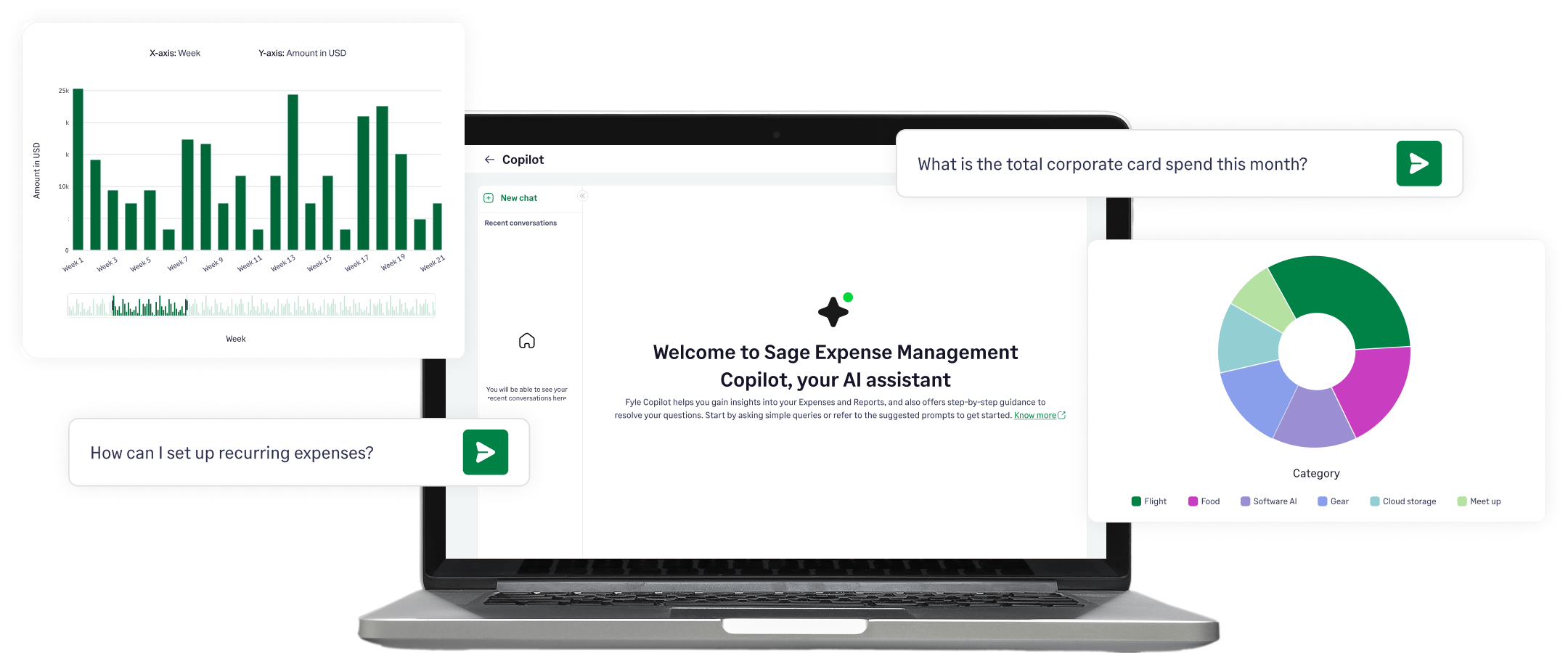
Stop forcing employees to manually code expenses at the end of a trip. Sage Expense Management leverages its AI-driven CoPilot to automatically categorize a swipe as "Lodging," "Transportation," or "Meals" at the exact moment it happens, providing an immediate view of expenses by category or project.
Automated Policy Compliance
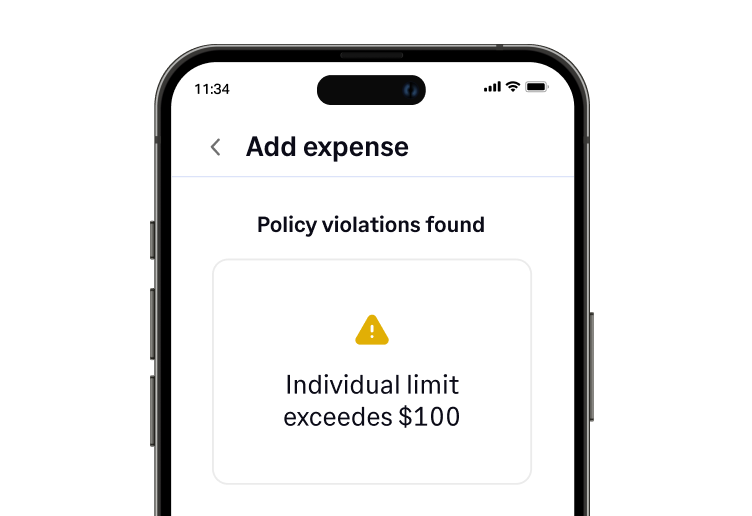
Do not wait until the month-end review to find out an employee bought an in-room movie (which is non-deductible). Sage Expense Management proactively checks corporate policies the moment the expense is logged. Out-of-bounds spending and policy violations are instantly flagged for manager review, giving you immediate control instead of month-end surprises.
Seamless Accounting Integrations
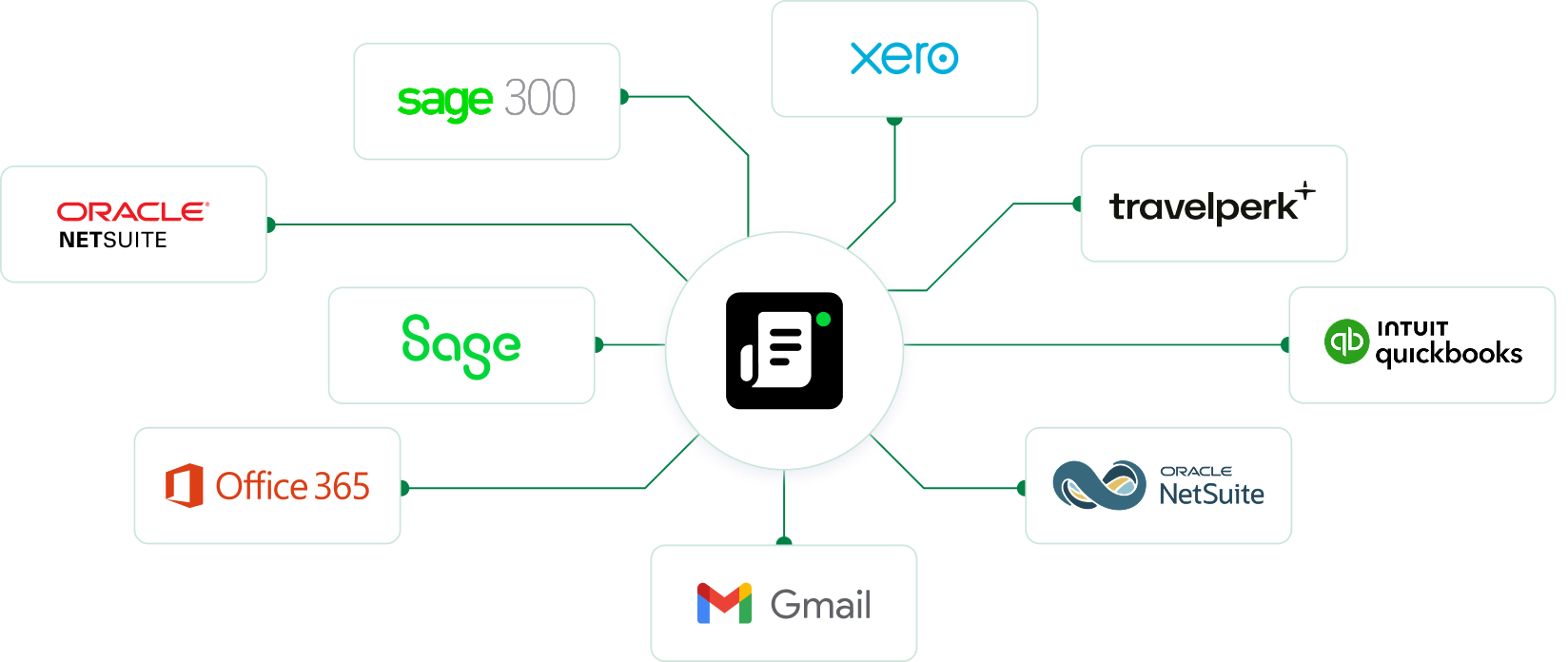
Once approved, Sage Expense Management pushes the clean, fully categorized data effortlessly into your company's general ledger. It integrates flawlessly with platforms like QuickBooks, Sage Intacct, NetSuite, and Xero to eliminate manual data entry entirely and ensure a smooth month-end close.
Conclusion
Proper tracking is not just about organizing receipts; it is about protecting your company's tax deductions and giving your finance team complete control over cash flow. By stepping away from manual spreadsheets and embracing automated expense management, you can keep your employees focused on their business goals while ensuring your books close smoothly and compliantly every single month.
{{ter="/cta-banners"}}
.jpg)